You may be surprised to learn those ubiquitous ratings, from G to NC-17, put on movies in America are actually handed down by anonymous employees of a secretive organization that serves as a lobbying firm for Hollywood's six biggest studios.
AI Summary
In this episode of Stuff You Should Know, Josh and Chuck dive into the controversial world of the Motion Picture Association of America (MPAA) and its film rating system. They explore how the familiar G, PG, PG-13, R, and NC-17 ratings came to be, starting from the early days of Hollywood's moral codes through today's secretive process involving anonymous raters. The hosts examine criticisms of the system's apparent biases regarding violence versus sexuality, its impact on independent filmmakers, and the organization's broader role in lobbying against movie piracy.
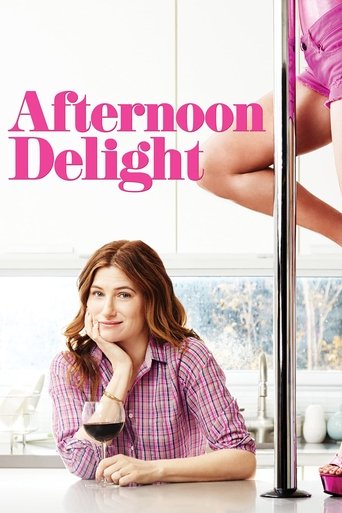
Afternoon Delight
2013
1h 35m
★ 5.8
"there was something called Afternoon Delight — Mentioned in discussion of MPAA's bias against female sexual gratification in films."
— Chuck
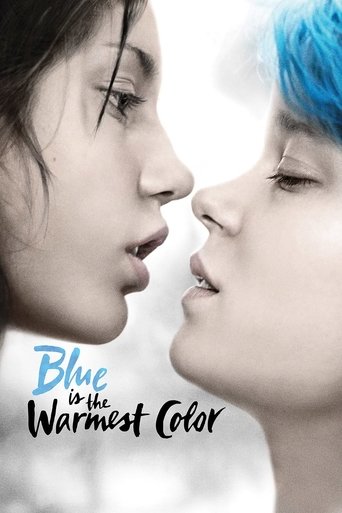
Blue Is the Warmest Color
2013
3h 0m
★ 7.1
"Blue is the warmest color. Yeah, last year, that teenage lesbian love story — Cited as another example of MPAA bias against LGBTQ+ content, receiving an NC-17 rating."
— Chuck
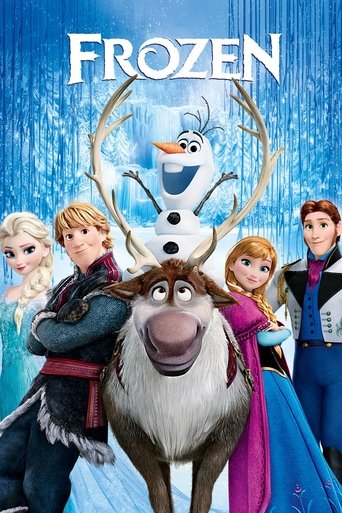
"if you want to show Frozen at your church — Used as an example of how public screenings require licensing even for seemingly innocent movies."
— Josh
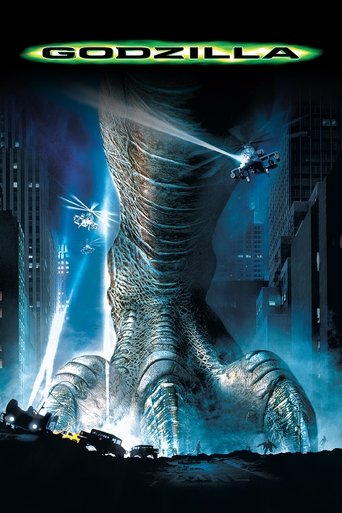
Godzilla
1998
2h 19m
★ 5.7
"someone has that brand new copy of Godzilla on a video cassette — Used as an example of bootleg movies being sold on the street."
— Josh
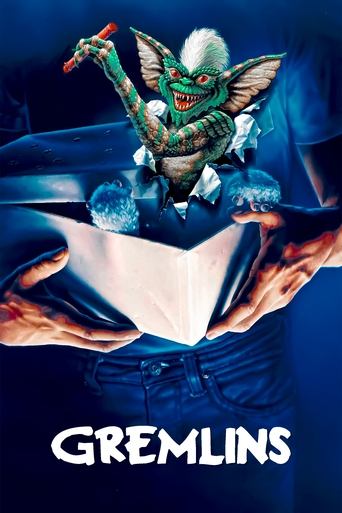
Gremlins
1984
1h 46m
★ 7.1
"And he produced another, Gremlins — Another Spielberg film that contributed to the need for the PG-13 rating category."
— Chuck
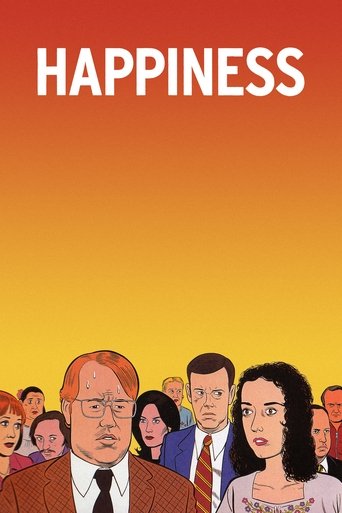
Happiness
1998
2h 20m
★ 7.4
"Happiness, Todd Solans, one of my favorite movies of all time — Discussed as a movie that received harsh treatment from the MPAA and was released unrated."
— Chuck
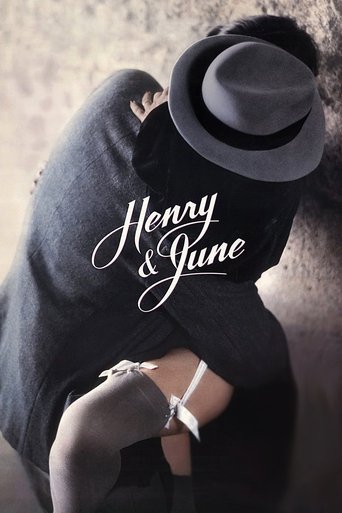
Henry & June
1990
2h 16m
★ 6.0
"the first movie to come out with that was Henry in June — Mentioned as the first movie to receive the new NC-17 rating when it replaced the X rating."
— Chuck
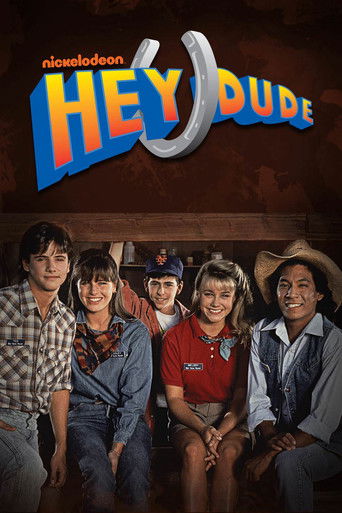
"stars of the cult classic show, Hey Dude — Referenced in a podcast advertisement at the beginning of the episode."
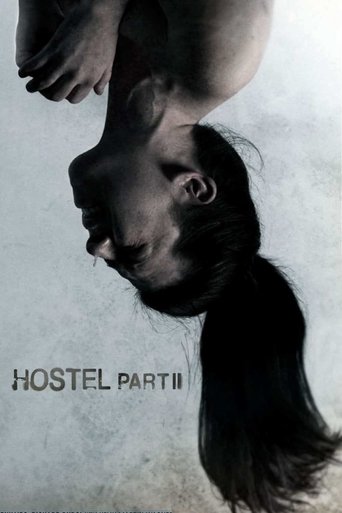
Hostel: Part II
2007
1h 33m
★ 5.9
"It had the same rating as Hostel 2 — Compared with 'Once' to show how both received R ratings despite vastly different content."
— Chuck

"Nancy Rodriguez from Netflix's Love is Blind Season 3 — Referenced in a podcast advertisement during the episode."
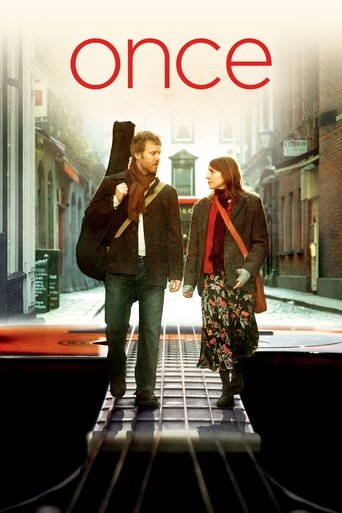
"One featured two Dublin musicians singing songs together — Used to contrast with violent R-rated movies, showing the inconsistency of MPAA ratings."
— Chuck

Philomena
2013
1h 38m
★ 7.3
"A movie like Filomena, which you saw, was rated R — Used as an example of unnecessarily harsh ratings due to language rather than content appropriateness."
— Chuck
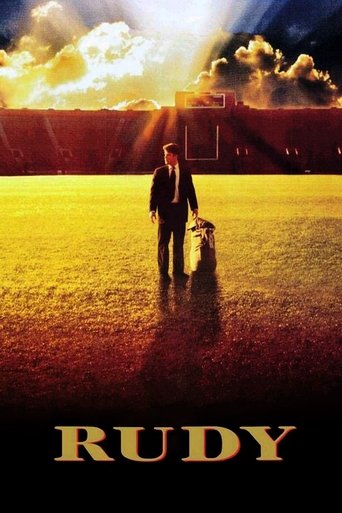
"Rudy — Referenced when discussing Sean Astin's involvement in anti-piracy campaigns."
— Josh

Rushmore
1998
1h 33m
★ 7.4
"Rushmore rated R for the scene at the end — Used as an example of questionable MPAA rating decisions for minimal sexual content."
— Chuck
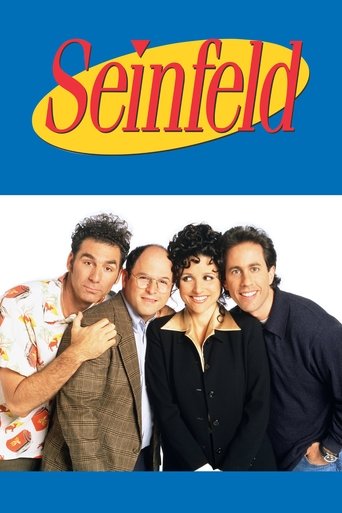
"if you've seen Seinfeld — Referenced in context of discussing bootleg movie recordings."
— Josh
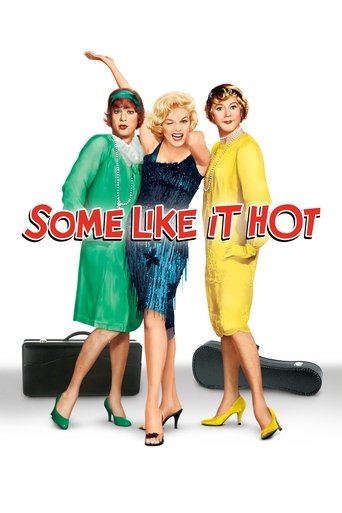
Some Like It Hot
1959
2h 3m
★ 8.1
"Tony Curtis and Jack Lemon are dressed like women hitting on Marilyn Monroe — Cited as an example of how the Hayes Code was being subverted by the end of the 1950s."
— Chuck
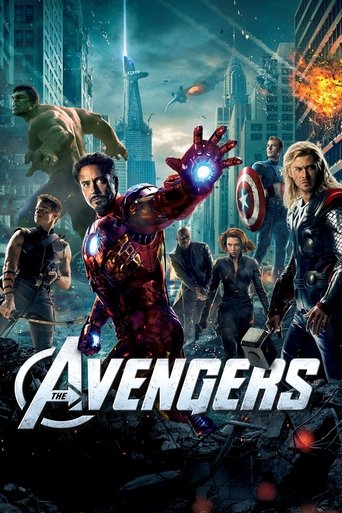
The Avengers
2012
2h 23m
★ 8.0
"is the new Avengers movie going to be rated R — Used as an example of how PG-13 is the target rating for blockbuster movies."
— Josh
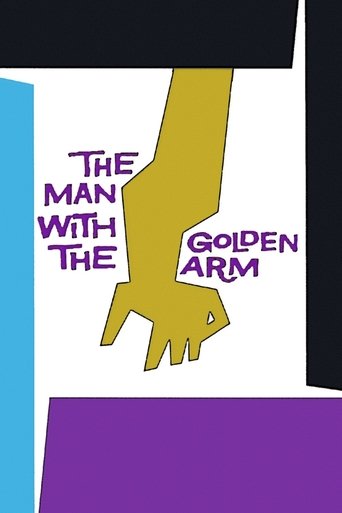
The Man with the Golden Arm
1955
1h 59m
★ 7.2
"Frank Sinatra. Got an Oscar nomination for playing a heroin addict. And the man with a golden arm — Used as an example of how movies began pushing boundaries after WWII, breaking the Hayes Code."
— Chuck
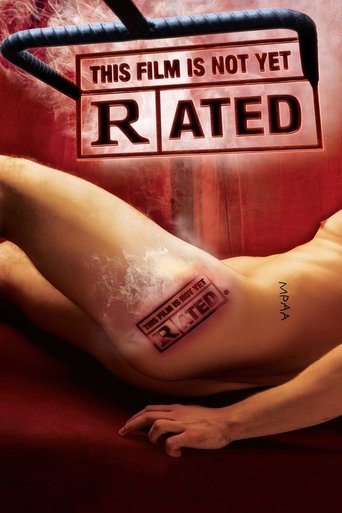
This Film Is Not Yet Rated
2006
1h 38m
★ 7.1
"anybody who's seen the documentary, this film, is not yet rated — Josh mentions this documentary as influential in understanding MPAA practices and credits it with exposing the secretive rating system."
— Josh
True Detective
2014
★ 8.3
"go watch True Detective — Used as an example of HBO content that people share passwords to watch."
— Chuck
💬 Comments
Log in to leave a comment.