Like is a very divisive word. Purists think it's like, a filler word born in the 80s that's like, destroying the English language. Turns out none of these are like, true.
AI Summary
Ever wondered if your use of "like" is actually destroying the English language? Josh and Chuck dive into the fascinating linguistic journey of this much-maligned word, tracing its evolution from Old English origins meaning "corpse" all the way to modern slang usage. They explore why linguists actually defend the various functions of "like" in conversation, debunking the myth that it's just meaningless filler while examining how it serves important communicative purposes in spoken English.
Movies Discussed
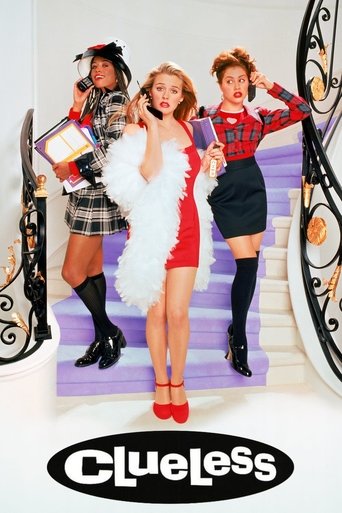
Clueless
"and then later in the clueless, which brought other terms that a lot of people hate — Chuck mentioned this movie as continuing the popularization of terms like 'whatever' and 'as if' that people often dislike."
— Chuck
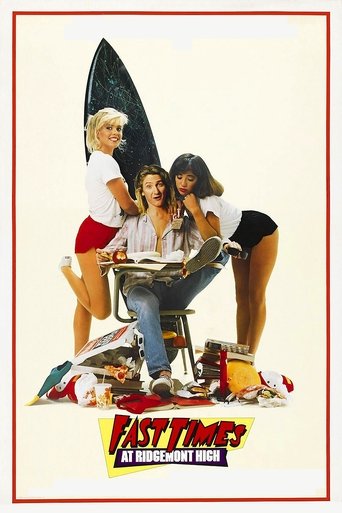
Fast Times at Ridgemont High
"Other movies, like fast times at Ridgemont High — Chuck listed this as another movie that helped popularize Valley Girl speech patterns and slang usage of 'like'."
— Chuck
The Simpsons
"Hey, guys, just finished to the episode on Clue. I am so excited to tell you this about the Simpsons Clue board game — Josh read a listener email about a Simpsons-themed version of the Clue board game that features characters from the animated series."
— Josh
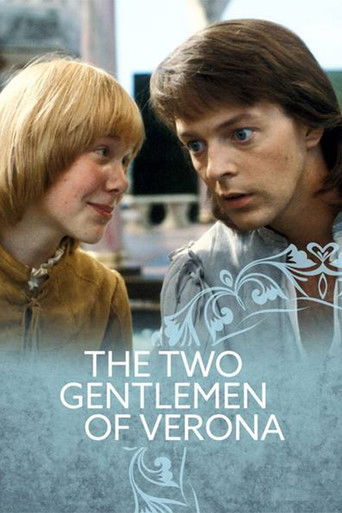
The Two Gentlemen of Verona
"There's an example from the two gentlemen of Verona Shakespeare play — Josh referenced this Shakespeare play to explain how the verb 'like' originally operated in reverse in English."
— Josh
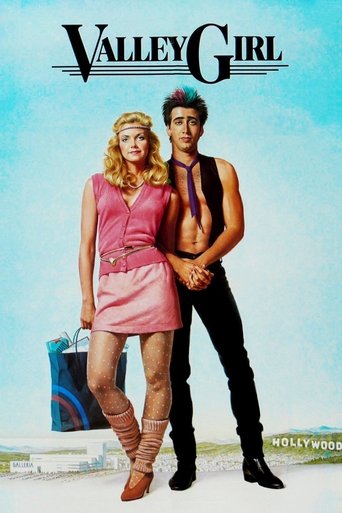
Valley Girl
"The movie Valley girl, it was not for the movie. The movie came out a year later — Chuck explained that the movie came after Frank Zappa's 1982 song and helped popularize Valley Girl speech patterns."
— Chuck
💬 Comments
Log in to leave a comment.