AI Summary
# Stuff You Should Know: Postmodernism
Josh and Chuck tackle one of the trickiest topics they've ever covered—postmodernism—exploring how this philosophical and cultural movement went way beyond art to reshape how an entire generation sees reality itself. They trace postmodernism's roots back to a rejection of modernism's faith in science and reason following the world wars, then journey through how it revolutionized everything from painting and literature to film, fundamentally challenging the idea that universal truths even exist. Along the way, they break down some mind-bending examples like Marcel Duchamp's toilet-as-art and explain why the 90s were basically the postmodern peak of irony and skepticism.
Movies Discussed

8½
"The one that's considered probably the godfather of all of them is Eight and a Half by Fellini, Frederico Fellini. — Fellini's meta-fictional film cited as foundational postmodern cinema."
— Josh
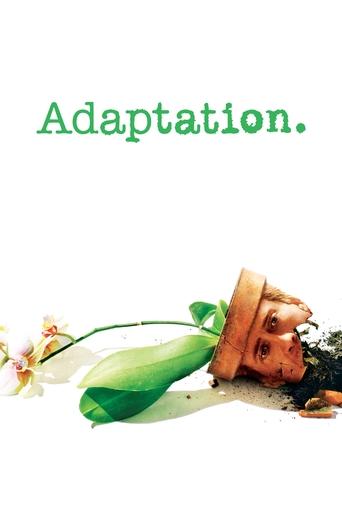
Adaptation.
"An adaptation. I mean, that's the currency he deals in. — Charlie Kaufman film mentioned as example of postmodern cinema."
— Chuck

Being John Malkovich
"Being John Malkovich. Yeah. An adaptation. — Charlie Kaufman films cited as examples of postmodern cinema."
— Josh
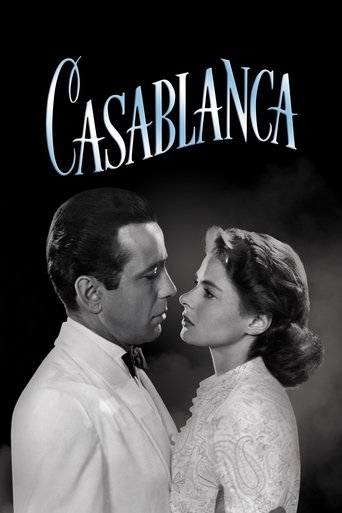
Casablanca
"I finally saw Casablanca, by the way. Oh, great. What'd you think? — Classic film mentioned in discussion of cinema, used for comparison with postmodern films."
— Chuck

Catch-22
"Books like Slaughterhouse 5 and Catch-22, you started seeing, and even though there were nonlinear narratives before. — Film mentioned as adaptation of postmodern literature with absurdist and nonlinear elements."
— Josh

Citizen Kane
"I think it's just a great movie, but I'm glad you saw it finally. But it was, I think maybe the expectation. It's sort of like when I saw Citizen Kane. — Mentioned as foundational film that broke boundaries and raised the bar for cinema."
— Chuck
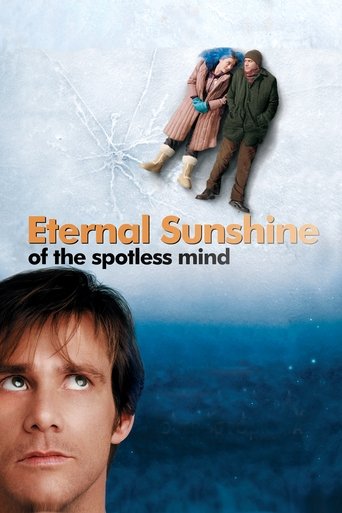
Eternal Sunshine of the Spotless Mind
"Eternal Sunshine of the Spotless Mind. But people were like, this is truly postmodern in every sense. — Another Charlie Kaufman film identified as quintessentially postmodern."
— Josh

Homicide: Life on the Street
"the character of John Munch, who's a detective who started out as a detective on the TV show Homicide, Life on the Street. — Used as an example of intertextuality in postmodern media, where a character appears across multiple TV shows."
— Josh

I'm Thinking of Ending Things
"I'm thinking of ending things. Yeah. Is that what it's called? — Charlie Kaufman's most recent film at time of podcast, described as postmodern."
— Josh

Jackie Brown
"there was a character in Jackie Brown that was also in, I can't think of his name, one of the FBI guys. — Example of Tarantino using character intertextuality across his films."
— Chuck

Law & Order: Special Victims Unit
"And then that same character appeared on Law and Order SVU. He was a recurring longtime character on that show. — Example of the same character (John Munch) appearing in different shows, demonstrating postmodern intertextuality."
— Josh
Muppet Babies
"I just saw the Nicholas Cage movie Pig from last year about a former chef who is a truffle hunter. — Recent film mentioned as example of postmodern cinema with meta-narrative elements."
— Josh

Out of Sight
"Michael Keaton played him in Out of Sight. But I think that was a recurring character. — Michael Keaton's character appears in both Jackie Brown and Out of Sight, demonstrating postmodern intertextuality."
— Chuck
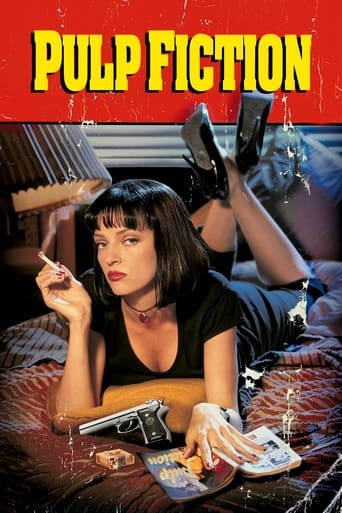
Pulp Fiction
"Pulp Fiction is very commonly referred to as sort of one of the hallmarks of postmodern filmmaking. — Discussed as a quintessential example of postmodern film with nonlinear storytelling and moral ambiguity."
— Josh

Severance
"Have you seen Severance on Apple TV? Yeah, I'm about halfway through. I love it. So it's so good. — Recent Apple TV series cited as example of postmodern storytelling that refuses resolution."
— Chuck

Slaughterhouse-Five
"Books like Slaughterhouse 5 and Catch-22, you started seeing, and even though there were nonlinear narratives before. — Film adaptation mentioned as example of postmodern literature adapted with nonlinear storytelling."
— Josh
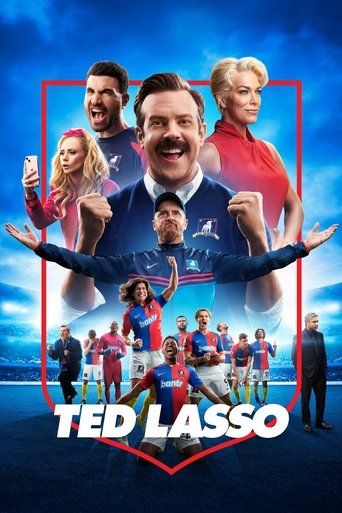
Ted Lasso
"Ted Lasso is like a cartoonish embodiment of metamodernism. — Recent TV series cited as embodying metamodernism, the potential successor to postmodernism."
— Josh

The Godfather
"would you call the Godfather a post-modern film? No, but it was made in the post-modern film era. — Used as an example to illustrate the difference between the era a film was made in versus its artistic style and themes."
— Josh
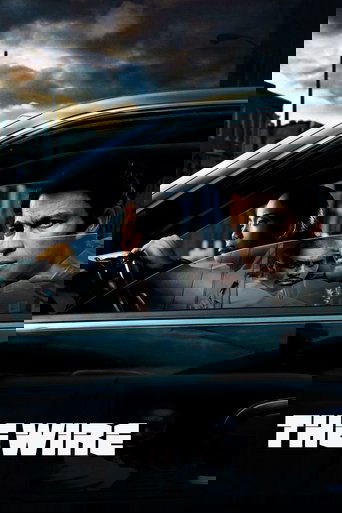
The Wire
"He's also been on The Wire. Like he's this character that people like love and love to bring into their own show. — John Munch also appeared in The Wire, illustrating cross-show character appearances."
— Josh
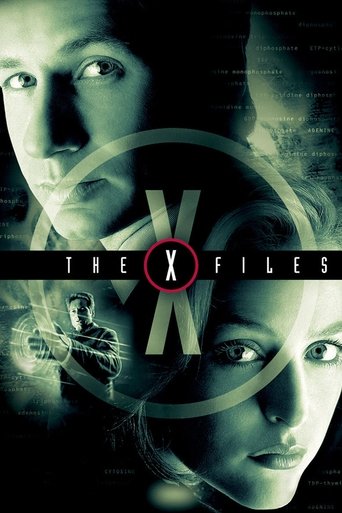
The X-Files
"He's also been on X-Files. Like he's this character that people like love and love to bring into their own show. — Another show where John Munch appeared as a recurring character across different series."
— Josh
💬 Comments
Log in to leave a comment.