Aug 31 2019

SYSK Selects: How Icebergs Work

Selects 35 min 4 movies discussed
Listen

Icebergs: floating chunks of ice. True, but whoa there. Scientists are learning that there's a lot more to icebergs. Appropriately enough, we've only come to understand the tip of the iceberg and recent research shows there's plenty more to uncover.

AI Summary

# Stuff You Should Know: How Icebergs Work

Josh and Chuck dive deep into the fascinating science of icebergs in this episode, exploring everything from how these massive chunks of freshwater ice form off glaciers to why they're actually less dense than water and therefore float. They'll walk you through the surprising variety of iceberg shapes and sizes, from adorably-named "growlers" and "bergy bits" to the massive B-15 that was the size of Jamaica, plus reveal some wild ecological benefits icebergs provide to ocean life and how they might even help solve freshwater shortages. It's a perfect episode to cozy up with some hot cocoa and learn why these floating giants are way more complex and important than just ship hazards.


Movies Discussed
Deadliest Catch
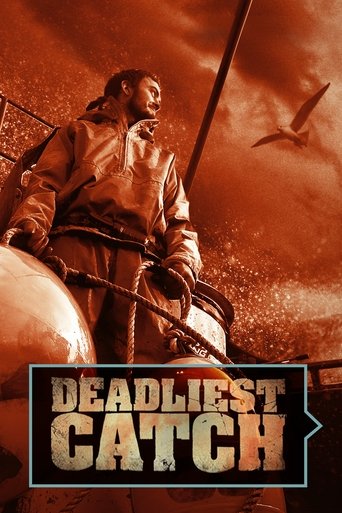
Deadliest Catch
2005
★ 7.2
"like when you see deadliest catch in their motor and through that sea ice — Josh references the TV show as an example of ships moving through sea ice, distinguishing it from icebergs." — Josh
Excalibur
Excalibur
1981 2h 21m
★ 7.0
"No, you're thinking of Excalibur. — Chuck corrects Josh's assumption that a movie was made about the Lady of the Lake ship, referencing the Arthurian legend film instead." — Chuck
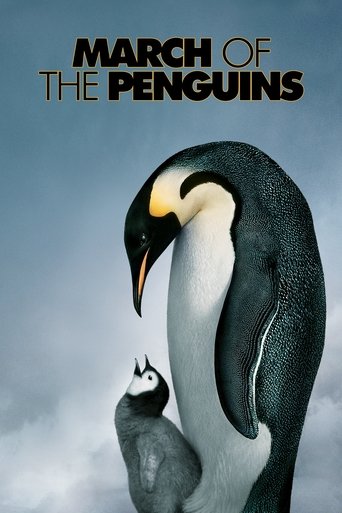
March of the Penguins
2005 1h 20m
★ 7.1
"in the case of B-15, I think, it actually had a pretty deleterious effect on emperor penguins. Yeah, in March of the Penguins. — Chuck mentions the penguin documentary film when discussing how icebergs negatively affected emperor penguins' migration." — Chuck
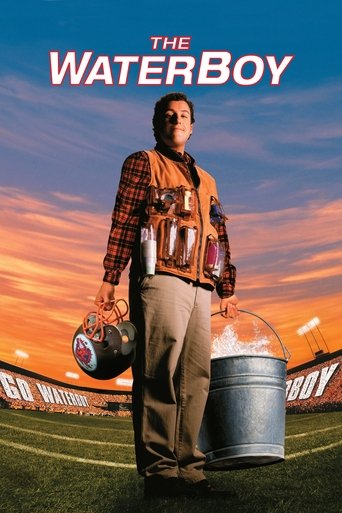
The Waterboy
The Waterboy
1998 1h 30m
★ 6.0
"Because it's like from the water, boy. — Chuck makes a reference to the film when discussing the idea of using icebergs as a source of fresh drinking water." — Chuck

💬 Comments

Log in to leave a comment.

No comments yet. Be the first!